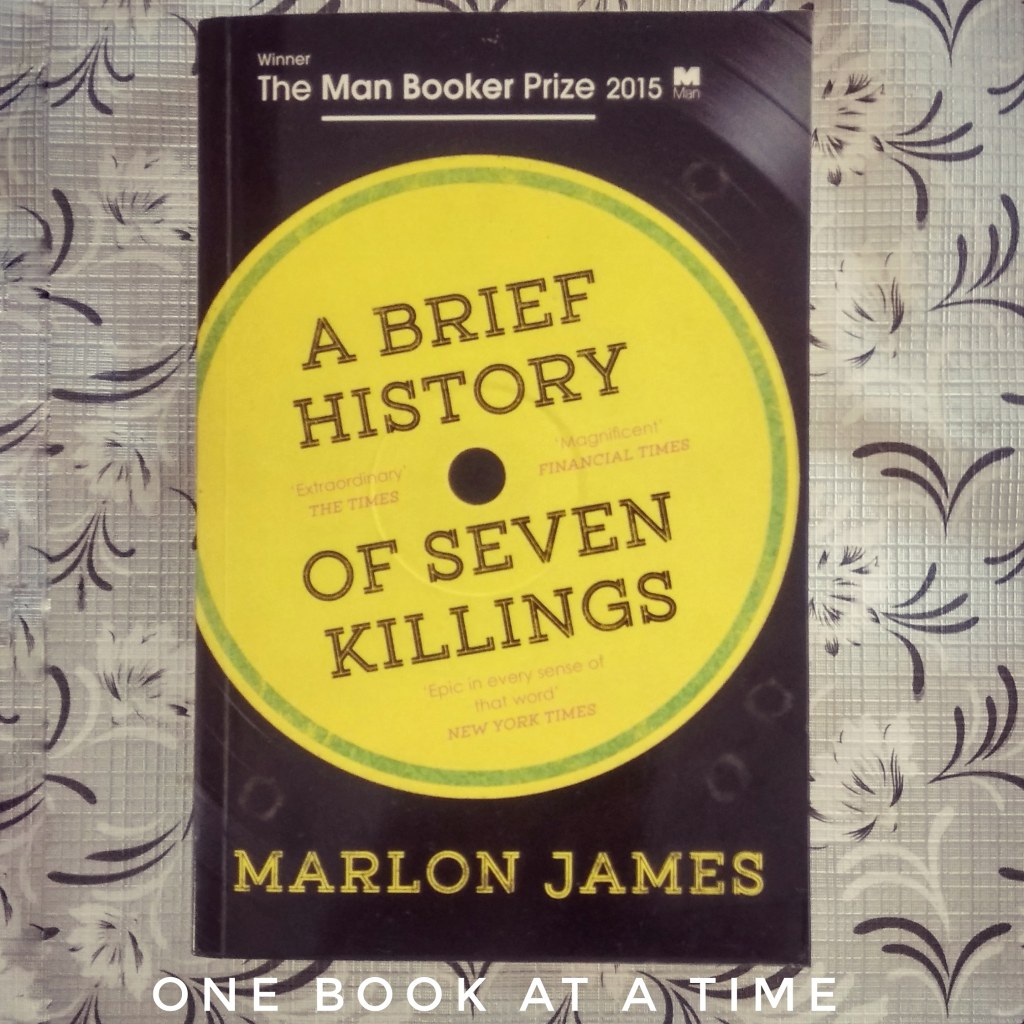
What made me read the book – the title, the first page of the book, and of course, the discount
What I liked about the book – I’ll admit, this is one of the toughest books I’ve read. The reason? The book is accentuated, and is written in dialects. So i had a tough time getting to the 50th page. After that, the journey became a bit bearable. This is what i liked; the book challenged me
Who will I recommend the book to – a patient reader. This book is like a fever dream on an acid trip when you’re intoxicated and exhausted. You’ll see things happening, but you’ll not be able to easily connect the dots
What did the book teach me – i never knew accents and dialects could add such richness and perspective to a plot and character
We have always yearned to express. Be it the cave paintings or handprints or even the posts in social media, we express – thoughts, desires, opinions, truths, anything and everything.
Sure, words are great. But paintings and drawings are something else. A painting is worth a thousand words; Eddie Redmayne wrote an impressive essay on the IKB (a shade of blue). And, drawing is the one thing that creatively connects us to our long lost foreparents. Go on, make a handprint – that has been done by your foreparents too.
In India, long before we had proper houses and paper, we used to make our own easel by smearing a section of wall with dung. Then we would smear a layer of limestone powder.
Once dried, we would recreate religious stories and cultural themes. Think of Warli paintings.
During Navratri, something similar is done in my home. We use a piece of chart paper of course. We draw a simplistic house and draw a trident signifying the Goddess. This drawing is often made by mixing vermilion with clarified butter. The drawing is the cornerstone of our worship for 9 days, and is drawn again everytime we celebrate this festival.
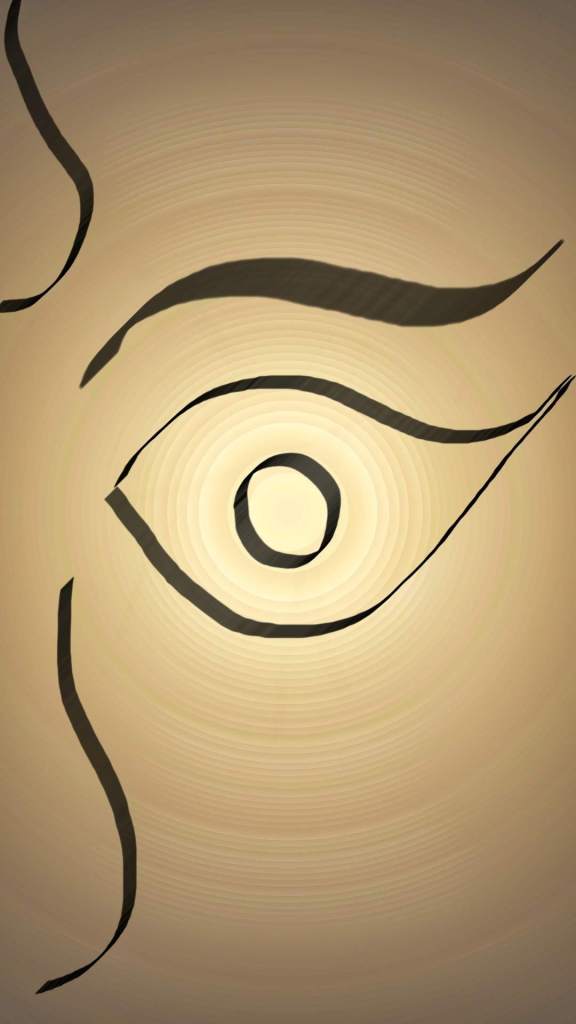
I thought of making my own drawing of sort. I wanted it to be an image of the masculine spirit – like the one in Puri. As seen in the result, the drawing that i made digitally is gender-fluid. I liked the way the eyes turned out – i wanted them to be wide open, but non-threatening. For some of you who have not been exposed to these kinds of drawings, it might look ominous. But it’s not. The way i see it, the drawing tries to capture the way i think Gods and Goddesses appear – fluid, shape-shifting, as observant as aloof, and a summation of contradictions.
This is not something i drew today. I drew it a year or two back. I was searching for words to write, when i present this piece. Even now, i feel like I’m missing something significant. I’m sure i haven’t been able to express all that i want to express.
 Refuge